Dining out is supposed to be a simple transaction—you order a meal, enjoy the company, pay the bill, and leave. Yet, across much of the developed world, paying the check has transformed into an emotional and financial minefield. What was once considered a modest, discretionary bonus for exceptional hospitality has increasingly morphed into a mandatory expectation, dividing diners, business owners, and service workers alike.
A Divergence in Dining Traditions
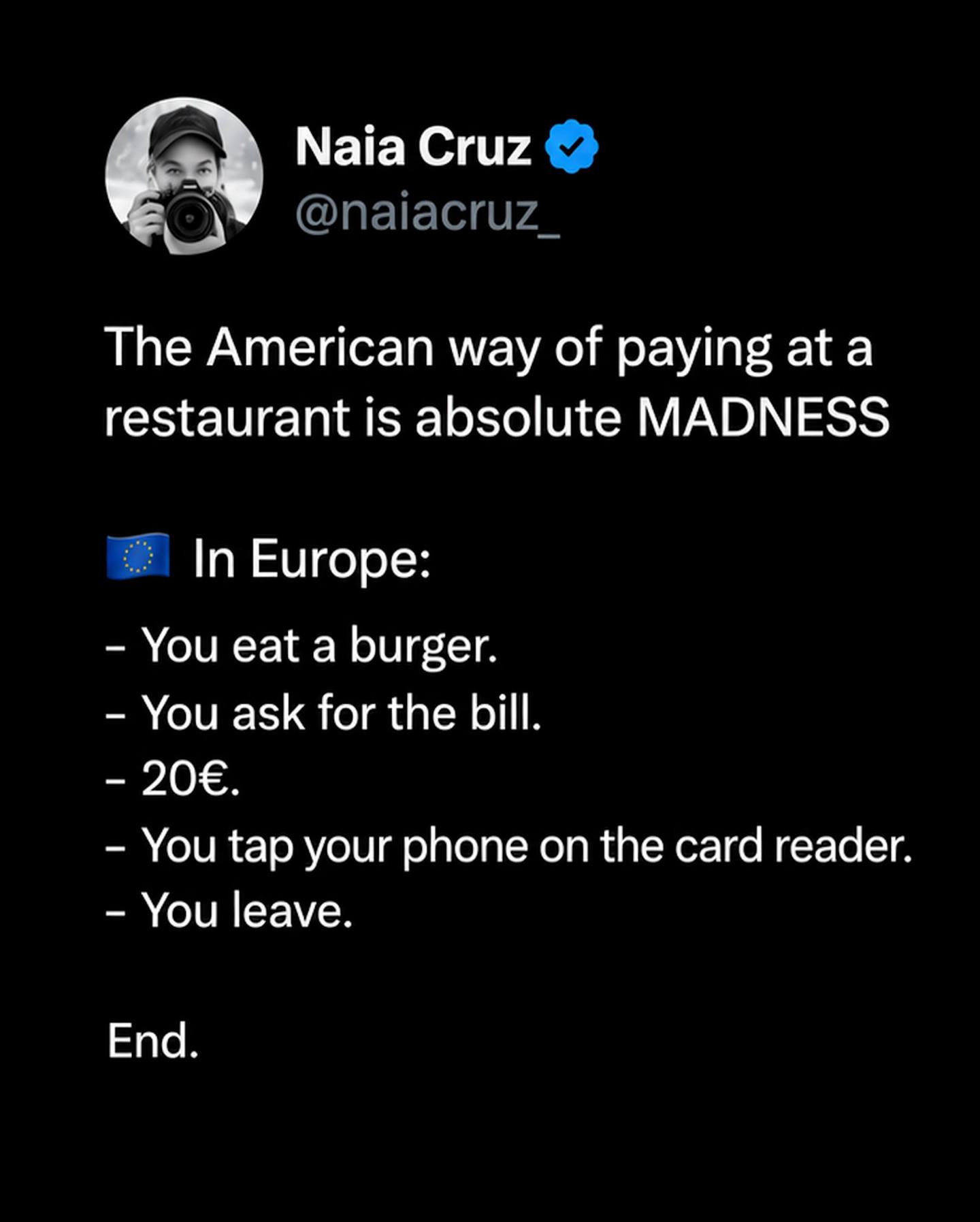
The cultural chasm surrounding gratuities is perhaps most starkly visible when comparing North America to Europe. In many European nations, service staff are guaranteed a standard base wage, and tips remain what they were originally intended to be: a minor token of exceptional service or a simple rounding up of a bill. As one observer noted:
In Europe we simply pay employees for the work they do, and leave a tip if the service was excellent, or to round up when giving back change.
By contrast, the American restaurant industry operates on a tiered wage structure where front-of-house staff often rely heavily on tips to make a living. This reliance has fostered a deeply ingrained social expectation, with suggested tipping percentages steadily climbing from 15% to 20% and beyond. For many diners, what once felt like a voluntary reward now feels like an unavoidable overhead charge.
The Technological Creep and Global Spread
This contentious culture is no longer confined to North America. Modern point-of-sale systems and digital payment apps have quietly exported aggressive tipping prompts across the globe, reaching countries where gratuities were historically rare.
Eh, tipping is creeping in in Europe, in Ireland at least. I see lots of people just leaving tips of 10 to 15% regardless of service, which was always a thing in a 'fancy' restaurant to some extent but it's getting more and more popular.
These digital interfaces often place the customer in an awkward spot, presenting preset percentage buttons or requiring manual overrides just to select zero. This friction has turned routine purchases—such as picking up coffee or ordering take-out—into moments of social discomfort.
The Paradox of Service Staff Earnings
While consumers frequently criticize the system as an unfair shift of labor costs from employers to patrons, the reality within the workforce is more complex. Interestingly, many seasoned servers are among the fiercest defenders of the tipping model.
Anyone that’s ever been a server is perfectly satisfied being paid by tips, because the tips are lucrative.
On busy nights, high-end or high-volume servers can outearn many salaried professionals. This creates a paradox: while customers resent the pressure to subsidize wages, a segment of the service workforce prefers the financial upside of tips over a flat hourly rate, complicating any straightforward legislative fix.
Finding a Sustainable Path Forward
As tipping prompts continue to multiply across unrelated industries—from delivery services to counter-service cafes—public pushback is growing. Diners are increasingly navigating the tension by voting with their wallets, seeking out establishments that build fair wages directly into their menu pricing.
Ultimately, the debate exposes deeper questions about transparency in pricing, labor compensation, and consumer expectations. Until a more balanced model takes root, the humble restaurant bill will remain a battleground of conflicting cultural norms.